USDT Freeze Secrets Revealed: What Experts Don't Want You to Know About Crypto Asset Recovery
The prevailing narrative surrounding cryptocurrency often emphasizes its decentralized, immutable, and censorship-resistant nature. While these characteristics hold true for native assets like Bitcoin, the reality of the stablecoin ecosystem — specifically Tether (USDT) — is governed by a different set of rules. For victims of digital asset theft and fraud, understanding the mechanism of the "USDT freeze" is not merely an academic exercise; it is a critical component of a viable recovery strategy.
The difference between a permanent loss and a successful recovery is not found in the speed of the transaction, but rather in the speed and precision of the investigative response. This article examines the internal architecture of the T3 Financial Crime Unit and the specific technical protocols that allow for the blacklisting of digital assets.
The Architecture of Control: The Centralized "God Mode"
A common misconception in the digital asset space is that all blockchain transactions are final and irreversible. While the record of the transaction remains on the ledger, the ability to utilize those funds is contingent upon the smart contract's parameters. Tether (USDT), the most widely used stablecoin, operates on a centralized model where the issuer retains what is colloquially known in the industry as "god mode."
Technically, this is implemented through a `BlackList` mapping within the Tether smart contract code. The issuer possesses the administrative authority to execute an `addBlackList` function. Once a specific wallet address is added to this list, the USDT held within that address becomes immobilized. The tokens cannot be transferred, exchanged, or redeemed for fiat currency.
What was the original intent of this feature? It was designed to ensure compliance with global regulatory standards and to mitigate the use of USDT in illicit activities. For a victim, this centralized control serves as a powerful instrument for asset preservation. However, triggering this mechanism requires more than a simple claim of loss; it requires a documented, forensic evidentiary trail that meets the standards of both the issuer and law enforcement.
The T3 Financial Crime Unit: A Specialized Triad
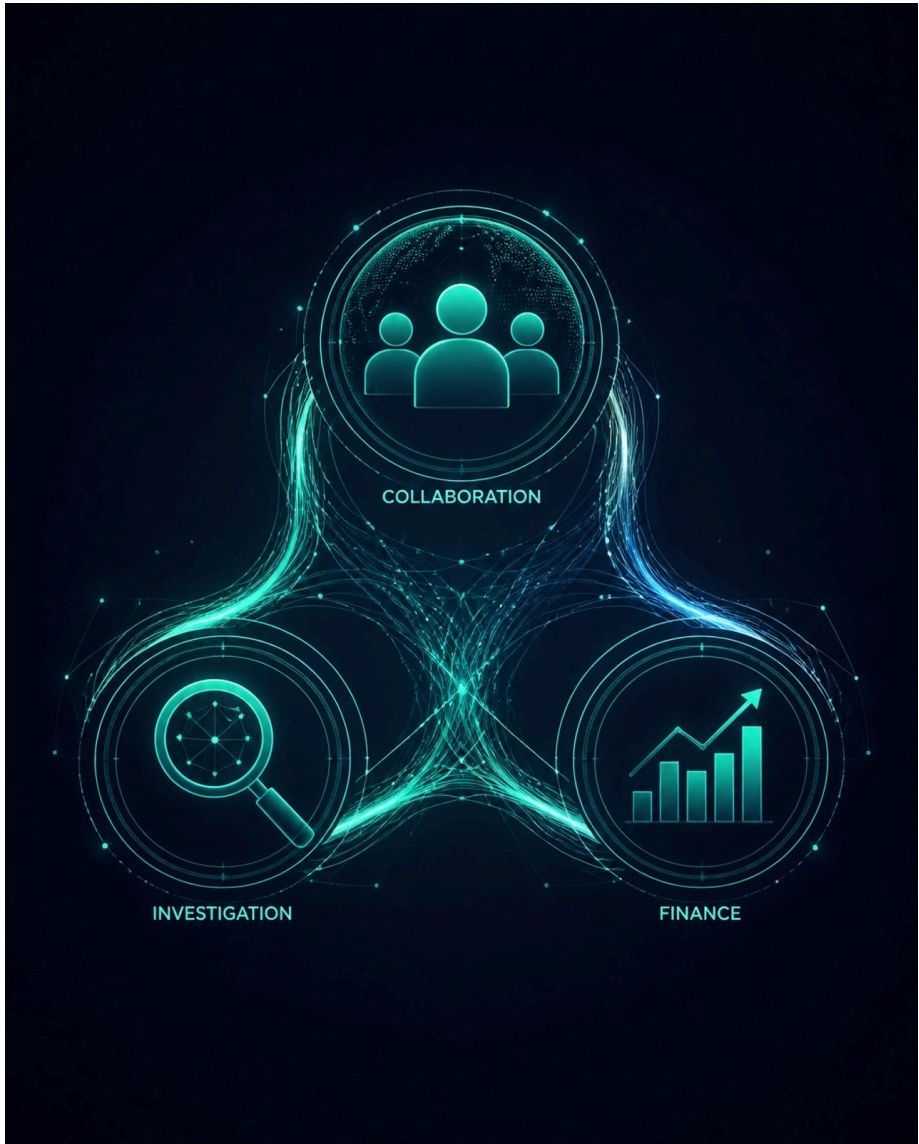
In late 2024, a significant shift occurred in the landscape of blockchain enforcement with the formation of the T3 Financial Crime Unit (T3 FCU). This initiative is a strategic collaboration between three key entities: TRM Labs, Tether, and TRON.
The T3 FCU represents a transition from reactive policing to proactive, intelligence-led disruption. The unit utilizes the specific strengths of each partner: TRM Labs provides the blockchain intelligence platform and anti-financial crime expertise required to trace complex, multi-layered transactions; TRON offers technical insight and infrastructure support for the network where a vast majority of USDT transactions occur; Tether manages the external investigations and executes the actual freezing of assets through its administrative protocols.
Since its inception, the T3 FCU has facilitated the freezing of hundreds of millions of USDT tied to organized crime, "pig butchering" scams, and terrorism financing. By monitoring over USDT 3 billion in transaction volume, the unit has established a framework where the "permanence" of a blockchain transaction is secondary to the legality of the funds.

The Technical Anatomy of a USDT Blacklisting
The process of blacklisting an address is a multi-stage operation that moves through identification, verification, and execution. It is important to distinguish between "on-chain" activity and "off-chain" legal requirements.
1. Identification of Illicit Flow. The process begins with the identification of a suspicious transaction hash. Using advanced tools, investigators track the movement of funds from the victim's wallet through various service touchpoints, such as mixers or intermediate hops.
2. Verification and Intelligence Gathering. The T3 FCU and private investigators like StonePath Investigations, LLC analyze the behavior of the recipient wallet. Is the wallet associated with a known scam cluster? Does the fund flow indicate a professional laundering operation?
3. The Preservation Request. Before a permanent freeze is enacted, there is often a window for a preservation request. This is a formal notice to the issuer or an exchange to "hold" the funds while a legal order is obtained.
4. Execution of the addBlackList Function. Once sufficient evidence is presented — often involving a police report and a verified forensic report — Tether can execute the blacklist function. At this point, the digital asset is effectively "frozen" in the perpetrator's wallet.
Narrative vs. Digital Evidence: Why Documentation Matters
In the pursuit of asset recovery, many victims fail because they rely on narrative evidence rather than digital evidence. A narrative consists of a story about what happened; digital evidence consists of immutable records of what occurred.
The T3 FCU and legal departments of stablecoin issuers do not make decisions based on emotional pleas. They require structured, court-ready documentation. This is where professional blockchain transaction tracing becomes indispensable.
A forensic report must answer several clinical questions: What digital asset was sent, and what was its value at the time of the transaction? Which specific transaction hashes (TXIDs) link the victim to the perpetrator? What is the attribution of the destination wallet? Is it an unhosted "cold" wallet, or does it belong to a Virtual Asset Service Provider (VASP) with KYC (Know Your Customer) requirements?
The difference is not the presence of a theft, but rather the provability of the fund flow. StonePath Investigations specializes in bridging this gap by providing the high-level analysis and crypto fraud investigation documentation that law firms and the T3 FCU require to take action.
Strategy for Victims and Legal Counsel: The Preservation Window
If you or a client has been the victim of a significant USDT theft, the strategy must be immediate and methodical. The goal is to reach a "preservation target" before the funds are off-ramped into fiat currency or obfuscated through cross-chain bridges.
Step 1: Immediate Forensic Preservation. Do not wait for a local police department to assign a detective. Most local law enforcement agencies lack the specialized cryptocurrency tracing training required for these cases. Engage a licensed firm to document the current location of the funds.
Step 2: Engagement with the T3 Ecosystem. Through specialized channels, the evidence must be presented to the relevant stakeholders within the T3 FCU or the legal compliance teams of major exchanges. This is often handled by private investigators who have established methodologies for communicating with these entities.
Step 3: Legal Integration. A forensic report is a tool for legal counsel. Whether the goal is a civil injunction, a Mareva order, or a criminal seizure, the on-chain evidence must be translated into a format that a judge or a prosecutor can understand.
What was promised? What digital asset was sent? By answering these questions through a disciplined reporting structure, the likelihood of a successful freeze increases exponentially.
The Strategic Shift in Digital Asset Recovery
The emergence of the T3 Financial Crime Unit and the technical capacity to freeze USDT underscores a vital reality: the "wild west" era of cryptocurrency is being replaced by a more regulated and traceable environment. While decentralization remains a core tenet for many, the centralized architecture of stablecoins provides a necessary safety net for the victims of financial irregularities.
The value of clarity and documentation cannot be overstated. Asset recovery in the crypto space is a race against time and complexity. By leveraging the "god modes" inherent in centralized stablecoins and supporting those actions with professional forensic analysis, the path to recovery moves from a theoretical possibility to a strategic objective.
For those navigating the complexities of cryptocurrency scams or asset misappropriation, the focus must remain on the process, the strategy, and the disciplined preservation of evidence. The secrets of USDT recovery are not hidden; they are encoded in the smart contracts and the collaborative efforts of those dedicated to financial integrity.
If you or your client has been the victim of a USDT theft, time is the most critical variable. Contact StonePath Investigations, LLC for a clinical review of your case and a structured preservation strategy.
Schedule a Free Consultation