How Crypto Tracing Uncovers Hidden Assets in Divorce Proceedings

In the high-stakes theater of marital dissolution, the "hidden asset" has evolved. Gone are the days of simple offshore accounts or cash stuffed into floorboards. Today, the adversarial spouse often seeks refuge in the "digital mattress" — a complex, pseudonymous world of private keys and distributed ledgers.
For attorneys and forensic accountants, the challenge is not just the existence of the asset, but the perceived invisibility of its movement. However, the blockchain is not a dark room; it is a permanent, public ledger. The difference is not that the assets are invisible, but rather that the paper trail has been replaced by a digital one.
Uncovering crypto divorce hidden assets requires a shift from traditional auditing to a multi-layered forensic methodology. This guide outlines the strategic process for identifying, tracing, and valuing digital assets within the context of family law.
Phase 1: Screening for the Digital Footprint
Before deploying specialized blockchain analytics, the investigation begins with "off-chain" evidence. This phase focuses on building reasonable suspicion and identifying the initial "service touchpoints" where fiat currency intersects with the digital ecosystem.
The Financial Paper Trail
Even the most sophisticated crypto user typically enters the market through a centralized gateway. Forensic accountants should scrutinize 3-5 years of bank and credit card statements for specific indicators:
Exchange Transfers: direct ACH, wire, or debit charges to platforms like Coinbase, Kraken, or Binance.
Peer-to-Peer (P2P) Activity: payments to services like Venmo, PayPal, or Zelle with descriptions suggesting crypto purchases.
Fintech On-Ramps: transfers to neo-banks or "shadow" payment processors that frequently serve as intermediaries for crypto funding.
Narrative Evidence vs. Digital Reality
During discovery, analytical questions must be precise. "Do you own Bitcoin?" is an insufficient inquiry. Instead, the focus should be on the process: what digital asset service providers (DASPs) have you used since the date of marriage? What hardware devices have you purchased from manufacturers like Ledger or Trezor? What email accounts have received "Know Your Customer" (KYC) verification codes?
Phase 2: Digital Forensics and Physical Linkage
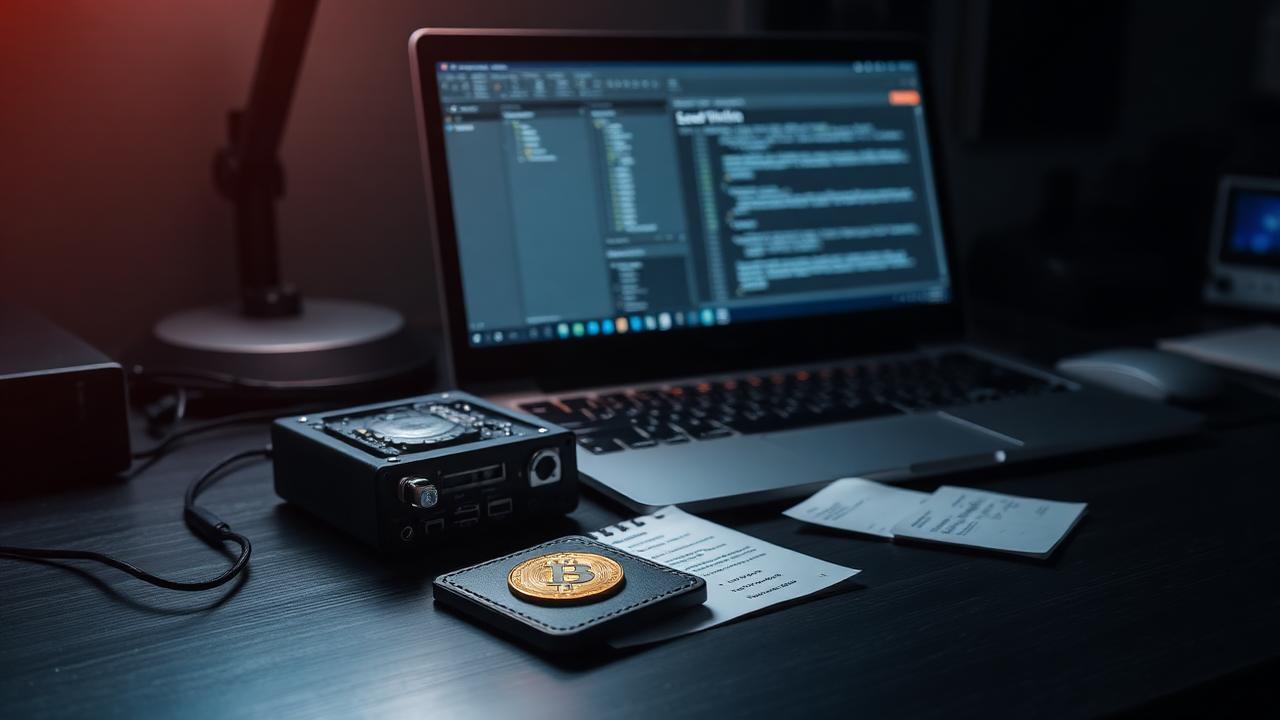
The most critical link in a cryptocurrency tracing operation is often the physical device. While the blockchain records the transaction, the device records the intent and the access.
Hardware and Artifact Analysis
A forensic imaging of computers, smartphones, and tablets can reveal Wallet Software (desktop applications like Exodus or Electrum, or browser extensions like MetaMask) that indicate self-custody; Seed Phrases (digital notes, photos, or encrypted files containing the 12- or 24-word recovery phrases required to access "lost" wallets); and Browser History (frequent visits to block explorers suggesting the monitoring of specific addresses).
The goal is to move from the identity of the spouse to a specific transaction hash or wallet address. Once an address is identified, the investigation shifts from the device to the ledger.
Phase 3: On-Chain Analysis and Clustering
Once a starting point is established, the investigator employs blockchain forensics to map the flow of funds. This is where crypto forensic accounting differs significantly from traditional methods.
Transaction Graphing
Instead of reviewing monthly statements, we analyze the UTXO (Unspent Transaction Output) or account-based models of the blockchain. We utilize two primary techniques: Hop Analysis — following funds across multiple hops or intermediate wallets, a common evasion tactic where funds move through a series of newly created wallets to frustrate manual review; and Address Clustering — using advanced heuristics to group multiple addresses together. If Wallet A and Wallet B are both used as inputs for a single transaction to Wallet C, we can mathematically infer they are under common control.

Identifying Obfuscation
The use of mixers (like Tornado Cash) or privacy coins (like Monero) is often cited as a dead end. In a legal context, however, the act of obfuscation is itself a preservation target. While we may not always "break" the mixer, we can document the inflow of marital funds into a privacy tool, allowing legal counsel to seek an adverse inference or a "wasteful dissipation" claim.
Phase 4: Attribution and The Exchange Subpoena
Tracing is only half the battle; attribution is the other. Proving that a specific wallet belongs to a specific spouse requires bridging the gap between the pseudonym and the person.
The KYC Hook
Centralized exchanges (CEXs) are required to collect identity documentation. When an on-chain trace leads to an exchange-controlled hot wallet, a targeted subpoena can yield Account Opening Records (photo IDs, linked bank accounts, and phone numbers); Login Logs (IP addresses and device identifiers that match the spouse's known digital profile); and Full Transaction History (a comprehensive record of every trade and withdrawal, often including assets the spouse failed to disclose).
Phase 5: Valuation and Court-Ready Reporting
The final step is translating technical data into a format that a family court judge can act upon. Cryptocurrency is not a static asset; its value is highly volatile, and its characterization (marital vs. separate) is subject to complex tracing rules.
Reconstructing the Marital Estate
A professional crypto forensic investigator provides a structured report that includes Historical Pricing (valuing transactions at the exact timestamp they occurred, using reliable aggregate data from sources like CoinGecko or CoinMarketCap); Cost Basis Analysis (determining the source of funds used for initial purchases to distinguish between marital and separate property); and Liquidation Potential (identifying the current exit points for the assets — whether they remain in crypto or have been converted back to fiat).
Conclusion: Strategy Over Suspicion
The difference between a successful recovery and a total loss in a crypto-involved divorce is not the amount of suspicion, but the discipline of the methodology. By combining traditional financial forensics with advanced blockchain analysis, attorneys can move beyond the "black box" of digital assets and secure an equitable distribution for their clients.
In the digital age, transparency is not a choice made by the spouse; it is a feature of the technology they chose to use. The trail is there. Our job is to follow it.
Frequently Asked Questions
Can someone truly lose their private keys?
While technically possible, a claim of "lost keys" is a frequent strategy for concealment. A forensic examination of devices often reveals the continued existence of wallet software, recent transaction activity, or backup phrases that contradict the claim of loss.
How much crypto is worth investigating?
Because forensic work involves specialized tools and expertise, we generally suggest a materiality threshold. If the suspected undisclosed assets exceed $10,000–$20,000, the ROI on a professional investigation typically justifies the cost.
Are privacy coins impossible to trace?
Privacy-centric assets like Monero (XMR) or Zcash (ZEC) are designed to hide transaction details. However, the entry and exit points (the fiat on-ramps and exchanges) are almost always traceable. Furthermore, the use of such coins during a divorce can be presented to the court as evidence of intent to hide assets.
If you suspect a spouse is concealing digital assets, the on-chain trail is permanent but the off-chain evidence is not. Contact StonePath Investigations, LLC for a discreet, court-ready review of the financial and forensic record.
Schedule a Free Consultation