How to Collect Court-Ready Evidence for Stolen Crypto Recovery

The recovery of stolen digital assets is a process defined not by the speed of the pursuit, but by the integrity of the evidence collected. In the landscape of cryptocurrency litigation, the gap between a perceived loss and a legal recovery is often bridged by the quality of forensic documentation. For law firms and legal professionals, understanding the distinction between casual observation and court-ready evidence is the fundamental prerequisite for any successful asset recovery strategy.
When a client reports a loss, the immediate instinct is often emotional. However, an effective investigative response requires a clinical transition from narrative to data. This article outlines the methodologies required to secure evidence that satisfies the rigorous standards of both domestic and international jurisdictions, ensuring that blockchain forensics can be leveraged effectively in a court of law.
The Nature of Digital Admissibility: Narrative vs. Technical Evidence
In traditional financial litigation, bank statements and wire confirmations serve as the bedrock of evidence. In the decentralized world, the "bank statement" is replaced by the immutable ledger of the blockchain. However, raw ledger data alone is rarely sufficient for legal proceedings. A court-ready evidence package must synchronize two distinct categories of information: the situational narrative and the digital fingerprint.
The situational narrative documents the "inducement" — how the victim was contacted, what was promised, and the circumstances under which the assets were transferred. The digital fingerprint, conversely, consists of the cryptographic proofs that link those actions to specific on-chain movements. Without this synchronization, a legal team may possess the "what" (the loss) but lack the "how" (the mechanism of theft) and the "where" (the destination of funds), making it impossible to satisfy the burden of proof required for asset freeze orders or subpoenas.
The Critical Distinction: Screenshots vs. Verifiable On-Chain Evidence
A common misconception among victims — and occasionally their counsel — is that a screenshot of a transaction from a mobile wallet or a web browser constitutes sufficient evidence of a theft. From a forensic perspective, a screenshot is merely an "image of information," which is inherently susceptible to manipulation or fabrication.
The difference is not merely aesthetic, but rather one of technical authenticity. In high-stakes litigation, an opposing party may challenge the validity of a screenshot, questioning whether the transaction occurred as depicted. Verifiable on-chain evidence, however, relies on Transaction Hashes (TXIDs). A TXID is a unique string of characters that identifies a specific transaction on the blockchain. It allows an investigator to point to a block number, a timestamp, and a cryptographic proof that is independent of any interface.
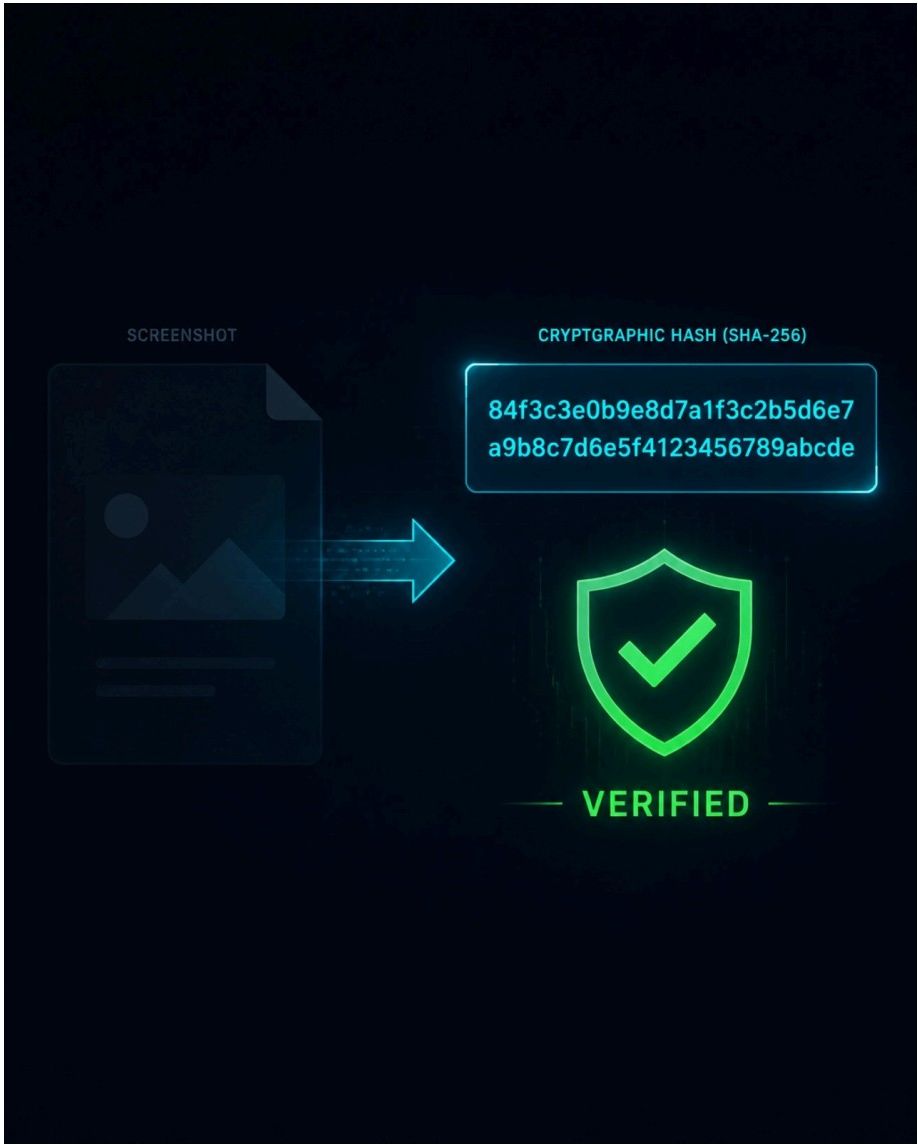
To ensure evidence is court-ready, professionals should prioritize the following: Transaction Hashes (TXIDs) — the definitive identifier for every fund movement; Exported Ledger Data — CSV or JSON exports directly from reputable block explorers or node providers; Cryptographic Hashing of Evidence — ensuring that every digital file collected is hashed (e.g., via SHA-256) at the time of collection to prove it has not been altered during the chain of custody.
By moving beyond the screenshot, law firms provide blockchain forensics experts with the "raw material" necessary to build an admissible tracing report.
Documenting the Flow Into a VASP (Exchange)
The primary objective of stolen crypto recovery is to trace funds to a point where they can be legally intercepted. On the blockchain, this point is most often a Virtual Asset Service Provider (VASP), such as a centralized cryptocurrency exchange. Because these entities interact with the traditional financial system (fiat currency), they are subject to Know Your Customer (KYC) and Anti-Money Laundering (AML) regulations.
Documenting the "flow into a VASP" is the most strategic component of a crypto fraud investigation. It involves proving that the specific digital assets stolen from a victim's wallet were eventually consolidated or deposited into an account controlled by a specific service provider.
The Significance of the Off-Ramp
What digital asset was sent? Where did it stop before reaching its destination? The answers to these questions determine the jurisdiction and the entity that must be served with a subpoena or a freeze order. If an investigator can demonstrate a clear, unbroken path from the victim to a VASP, the legal team can then petition the court for a discovery order to unmask the account holder. This process is essential for transforming an anonymous wallet address into a reachable defendant or a named co-conspirator.
A Tactical Framework for Law Firms: Collection Protocol
For law firms managing digital asset cases, a disciplined collection protocol is required to maintain the chain of custody and ensure the longevity of the evidence. The following framework should be implemented immediately upon case intake.
1. Preservation Targets. Counsel should instruct the client to preserve all digital environments immediately. This includes Self-Custody Wallets — recording the public addresses (not private keys or seed phrases) of all wallets involved; Communication Channels — preserving full chat logs from platforms such as Telegram, WhatsApp, or Discord, including metadata like user IDs and phone numbers; Service Touchpoints — any correspondence with exchanges or technical support that occurred during or after the incident.
2. Forensic Exports. Rather than relying on manual data entry, professionals should use automated tools to export transaction histories. This ensures that the evidence includes essential metadata — such as gas fees, contract interactions, and input data — which may contain "on-chain messages" left by the perpetrator.
3. Verification of Identity. Proving the victim's ownership of the original wallet is as important as proving the theft. This is achieved by documenting the "funding source" — showing the original purchase of the crypto with fiat currency from a bank account, which establishes a clear link between the digital asset and the legal entity seeking recovery.
The Role of Forensic Tracing Reports in Litigation
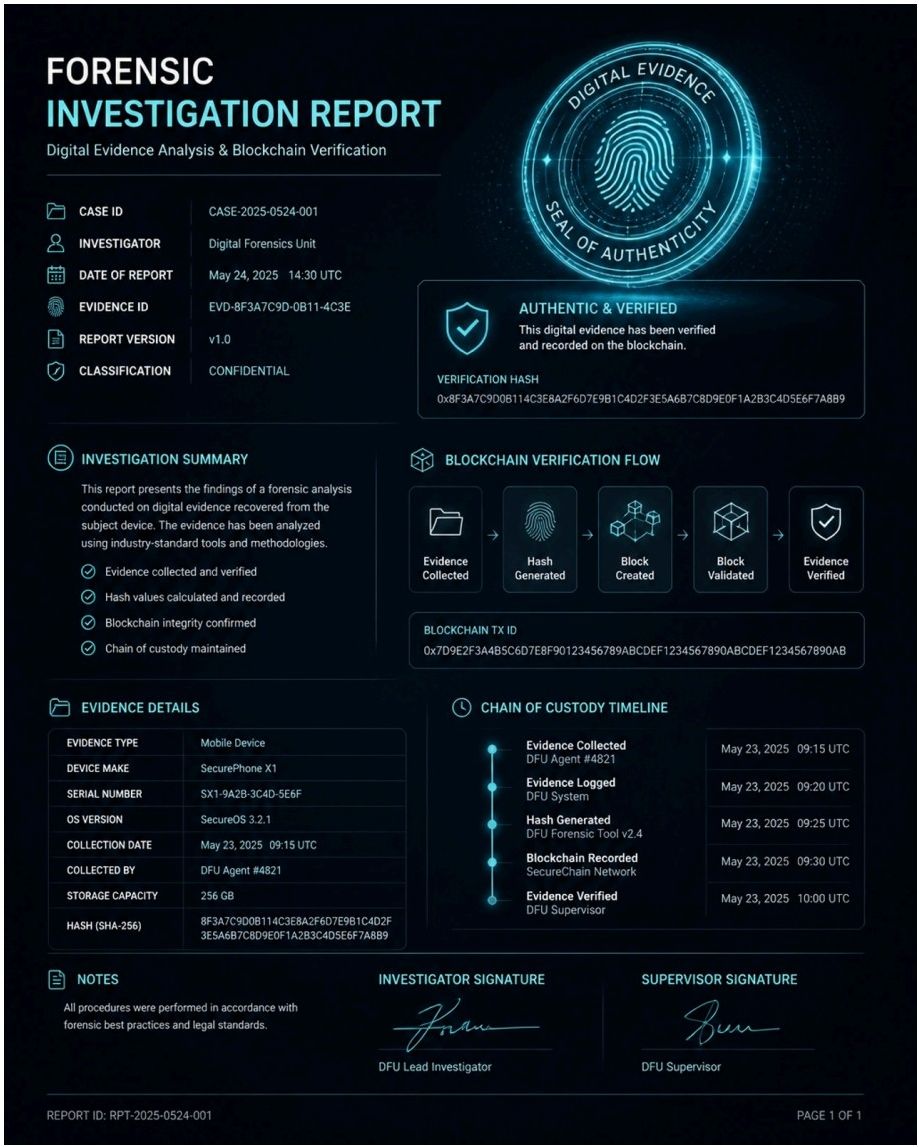
A court-ready evidence package culminates in a professional forensic tracing report. At StonePath Investigations, LLC, our methodology involves synthesizing complex on-chain data into a structured, narrative-driven document designed for legal counsel and judicial review.
A high-quality report should include: Visualization of Fund Flow — clear diagrams showing the movement of assets from the victim through intermediate "hop" addresses to the final destination; Attribution Analysis — identifying known entities (Exchanges, Mixers, or Scams) associated with the destination addresses; Methodological Transparency — explaining the tools and techniques used (such as clustering or heuristics) so that the findings can withstand cross-examination.
This structured documentation is often the deciding factor in whether a judge grants emergency relief, such as a Temporary Restraining Order (TRO). It provides the court with the technical certainty required to interfere with digital property rights.
Strategic Clarity Over Immediate Resolution
The path to stolen crypto recovery is rarely linear. It requires a patient, methodical approach that prioritizes the quality of documentation over the urgency of the loss. By distinguishing between informal records and court-ready evidence, law firms can position their clients for the best possible outcome in a complex and evolving digital landscape.
If your firm is currently handling a case involving digital assets, StonePath Investigations, LLC provides the specialized methodology required for high-stakes litigation. Contact us for a free consultation to discuss your investigative strategy.
Schedule a Free Consultation