Burn and Reissue Warrants: How to Recover Stolen Stablecoins Without the Private Key
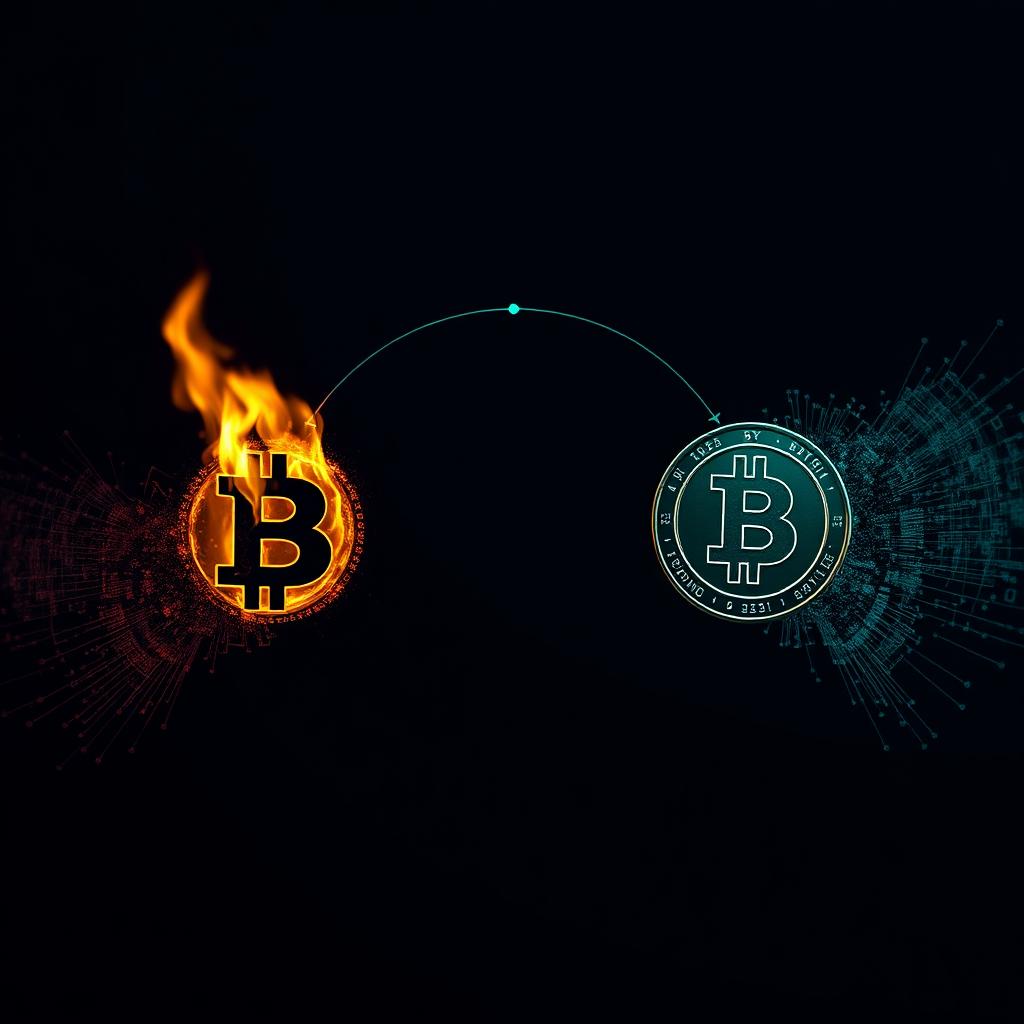
The foundational myth of cryptocurrency: that transactions are immutable and irreversible: is technically true for decentralized assets like Bitcoin. However, for the billions of dollars circulating in centralized stablecoins like USDT and USDC, this "finality" is increasingly becoming a legal fiction.
For victims of sophisticated fraud, ransomware, or theft, the recovery of digital assets was once tethered to the impossible task of obtaining a perpetrator's private key. In 2026, the paradigm has shifted. Through the technical and legal mechanism known as "Burn and Reissue," law enforcement and legal counsel can now reclaim stolen funds by working directly with the token issuers.
This is not a "reversal" of a transaction; it is a surgical extraction and replacement of value. Here is how the mechanism functions, where it applies, and how investigators bridge the gap between a digital heist and a successful recovery.
The Technical Blueprint: Freeze, Burn, Reissue
The recovery of centralized stablecoins relies on administrative controls built directly into the token's smart contract. Unlike decentralized assets, stablecoin issuers function similarly to traditional financial institutions, maintaining a "master switch" over their ledger.
1. The On-Chain Freeze (Blacklisting)
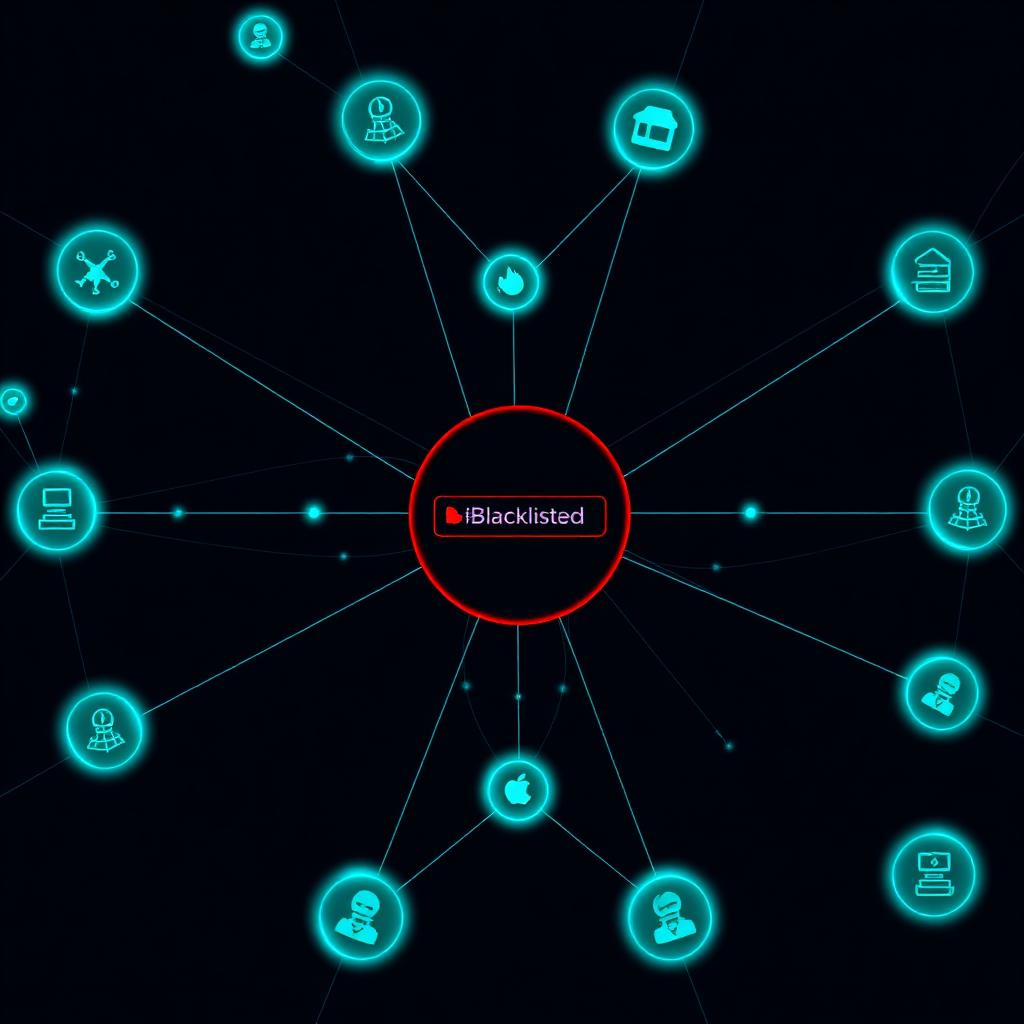
The first step in any recovery operation is the "freeze." When an issuer like Tether (USDT) or Circle (USDC) receives a valid legal order or identifies high-risk illicit activity, they add the target wallet address to a "blacklist" or "blocklist" function within the smart contract.
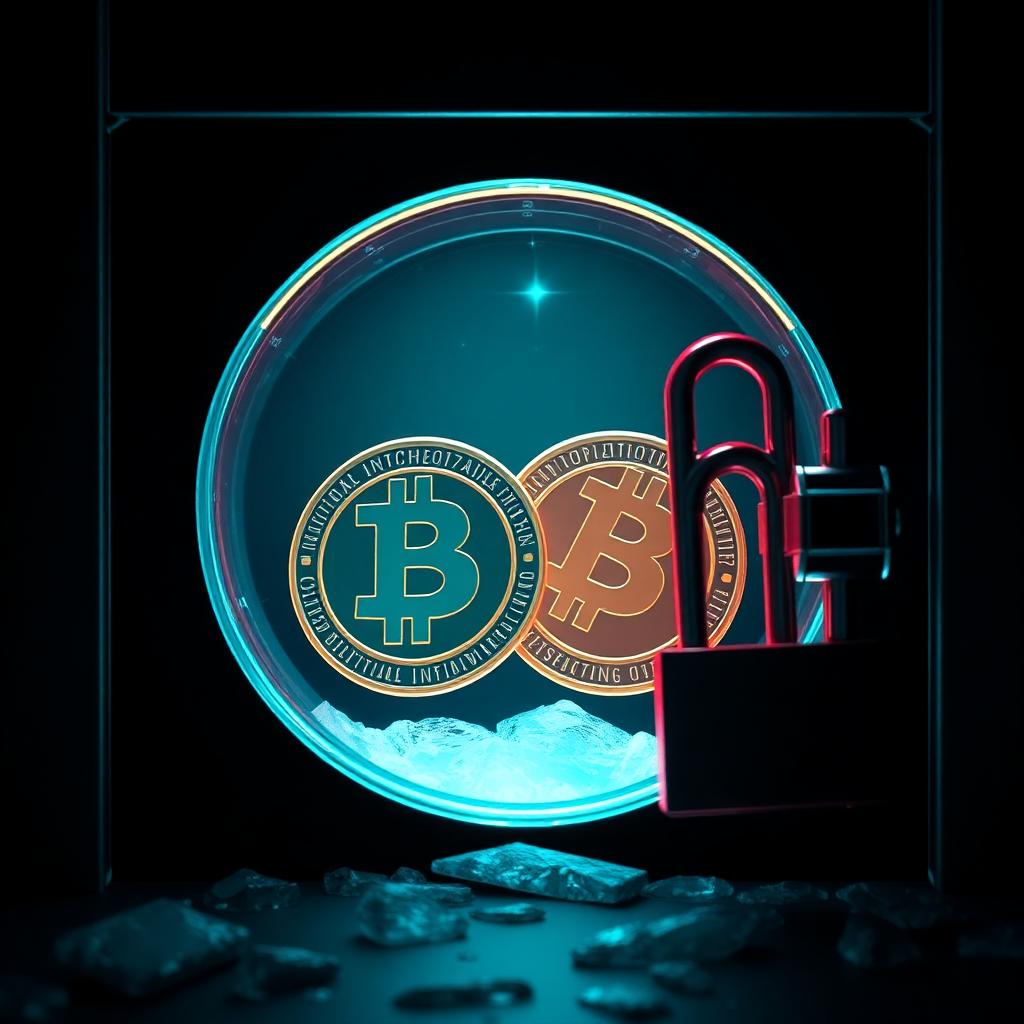
Once an address is blacklisted, the tokens within it are effectively immobilized. The "owner" of the private key can see the balance, but they cannot transfer, swap, or cash out the funds. This is a critical preservation step that prevents the further dissipation of assets while legal proceedings unfold.
2. The Burn (Destruction)
For many years, a "freeze" was the end of the road: funds were stuck, but the victim was still out of pocket. The "burn" mechanism changed that. Under a specific court order or seizure warrant, the issuer can execute a function (such as Tether's DestroyBlackFunds) that permanently deletes the tokens from the blacklisted address. The supply of the stablecoin on that specific chain decreases, and the thief's balance is zeroed out.
3. The Reissue (Minting)
The final stage is the "reissue." After burning the tainted tokens, the issuer mints an equivalent number of fresh tokens and sends them to a government-controlled wallet or, in certain civil restitution cases, directly to a victim's or counsel's wallet. The total circulating supply remains balanced, the reserves remain intact, and the value is restored to the rightful party: all without ever needing the thief's private key.
Issuer Divergence: The Strategic Landscape
While the technical capacity for burn-and-reissue exists across most major stablecoins, the willingness of issuers to exercise it varies significantly. Understanding these corporate and regulatory postures is essential for asset recovery specialists.
Tether (USDT): The Proactive Model
Tether has emerged as the most aggressive practitioner of the burn-and-reissue model. As of 2026, Tether has blacklisted thousands of addresses and reportedly assisted in the recovery of over $1.1 billion in stolen funds. Their methodology is highly responsive to U.S. law enforcement requests and international seizure warrants. For investigators, USDT is often considered the most "recoverable" digital asset if the funds can be traced and frozen before they are "peeled" into decentralized mixers or privacy coins.
Circle (USDC): The Conservative "Freeze-Only" Stance
Circle has historically taken a more cautious approach. While they actively blacklist addresses in compliance with OFAC sanctions and court orders, they have traditionally resisted the "burn and reissue" component. Circle's argument often centers on "double-backing" risks and the technical finality of the blockchain.
However, recent legal pressure: including contempt of court threats in cases like the 2025 Wisconsin "pig-butchering" dispute: is forcing a shift. Circle is increasingly negotiating victim compensation mechanisms that may eventually mirror the Tether model, though the threshold for intervention remains significantly higher.
Paxos (USDP/PAXG) and Others
Regulated entities like Paxos operate under strict New York Department of Financial Services (NYDFS) oversight. While they maintain centralized controls, their recovery processes are typically slower and more tied to traditional regulatory enforcement than the rapid-response warrants seen with Tether.
The Legal Trigger: From Tracing to Warrants
The "Burn and Reissue" process is not a customer service feature; it is a legal remedy. Issuers do not act on a victim's word alone. They require a "Service Touchpoint": a formal legal directive that provides them with safe harbor and technical instructions.
The Role of Forensic Documentation
Before a warrant can even be drafted, the funds must be identified. This requires professional cryptocurrency tracing to map the flow of assets from the victim's wallet to the current holding address. This documentation must be "court-ready," providing a clear narrative of the theft and digital evidence of the asset's location.
Seizure Warrants vs. Forfeiture Orders
In the U.S. legal system, the process usually involves two distinct phases:
Seizure Warrant: An ex parte order allowing law enforcement to "seize" (freeze) the assets based on probable cause.
Forfeiture Order: A final judicial determination that the assets were involved in a crime or are the proceeds of a crime, providing the legal basis for the "burn and reissue" to a recovery wallet.
The difference is not just semantics, but rather the level of due process required. A freeze can happen in hours; a full reissue may take months of litigation.
Obstacles and Limitations: The Real-World Friction
If burn-and-reissue is so effective, why is every scam victim not made whole? The answer lies in the friction between digital speed and legal procedure.
Jurisdictional Hurdles: While Tether often cooperates with U.S. warrants, assets held by offshore entities or non-compliant exchanges may remain out of reach.
The "Hop" Problem: If a thief swaps USDT for Bitcoin or Monero via a decentralized exchange (DEX), the "burn and reissue" path is severed. Once the asset leaves the centralized stablecoin ecosystem, the issuer no longer has a "master switch" to flip.
The G.E.N.I.U.S. Act Gap: Legislative frameworks like the GENIUS Act have historically focused on "seizure" and "freeze" but often omit the specific technical definition of "reissuance." This creates a gray area where some issuers may refuse to reissue tokens even after a burn, citing a lack of clear statutory mandate.
Strategic Considerations for Counsel
For law firms and digital forensic professionals, the goal is to "stop the clock." Because the burn-and-reissue mechanism exists, the primary investigative objective is not necessarily to "crack" a wallet, but to identify and freeze it.
Immediate Preservation: Issue preservation targets to the token issuers and any identified exchanges immediately upon discovery.
Focus on the Stablecoin Leg: In complex laundering chains, focus the recovery efforts on the "stablecoin legs" of the transaction where centralization provides leverage.
Technical Affidavits: Ensure that the forensic tracing report explicitly identifies the transaction hashes and the specific stablecoin contract involved, as this is the technical language the issuer's compliance team needs to execute a freeze. See our sample report for the level of documentation required.
Conclusion: The New Frontier of Asset Recovery
The "Burn and Reissue" mechanism represents a fundamental shift in how we view digital property. It acknowledges that in a world of centralized stablecoins, the code is not always law: the law can occasionally rewrite the code.
For legal professionals, this capability is a powerful tool in the arsenal of asset recovery. However, success depends entirely on speed and the quality of the underlying investigation. By combining sophisticated blockchain forensics with aggressive legal maneuvering, the recovery of stolen digital assets is no longer a matter of luck, but a matter of disciplined strategy.
The era of "lost keys, lost funds" is ending for those who understand the mechanics of the stablecoin ecosystem.
If stolen stablecoins are still sitting in a traceable wallet, every hour that passes narrows the window to freeze and recover them. Contact StonePath Investigations, LLC to request an analyst review and court-ready tracing report.
Schedule a Free Consultation