The Anatomy of a Crypto Rug Pull Investigation: From Smart Contract Analysis to Asset Recovery
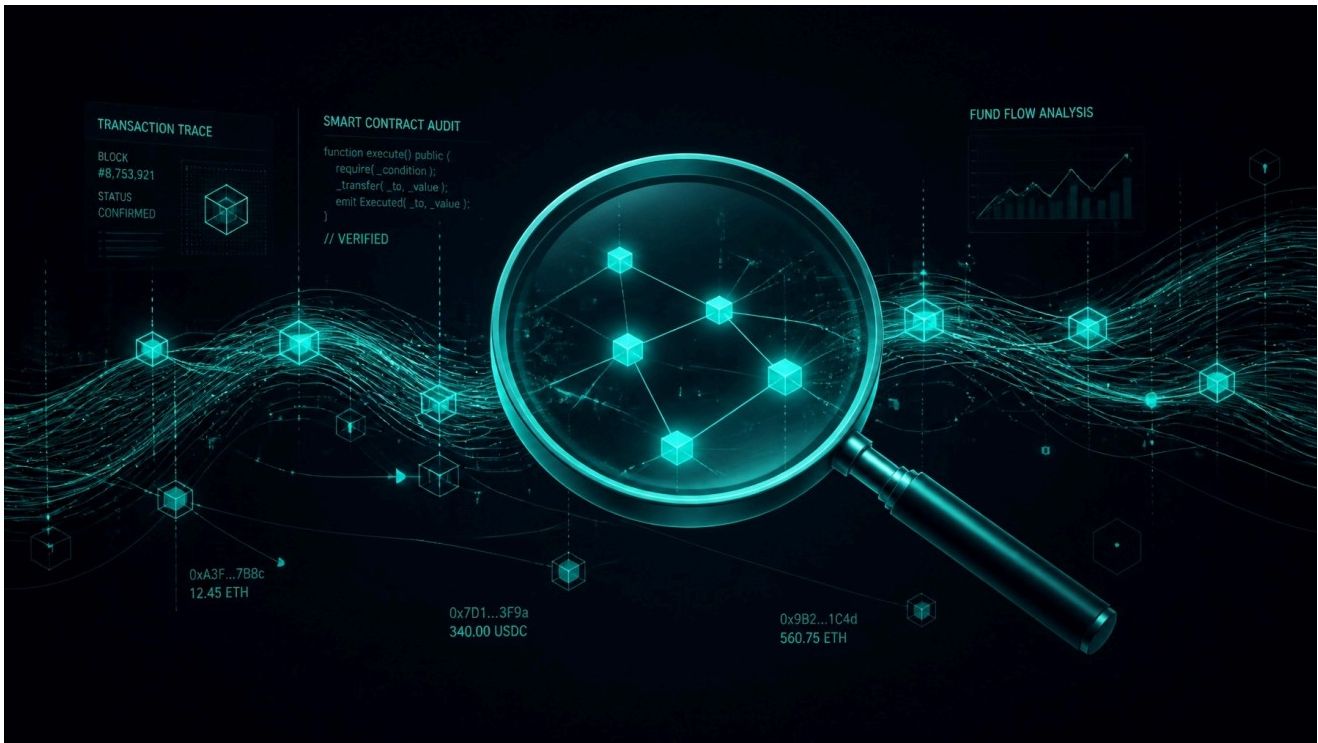
In the current digital asset landscape, the rug pull has evolved from a primitive exit scam into a sophisticated engineering feat. According to the 2026 TRM Labs Crypto Crime Report, illicit crypto flows reached a staggering $158 billion in the previous year, driven largely by a decisive shift toward infrastructure-layer compromises and decentralized investment fraud.
For the modern blockchain investigator, a crypto rug pull investigation is no longer just about following a single trail of tokens; it is a forensic audit of smart contract vulnerabilities, infrastructure security, and off-chain laundering cycles. At StonePath Investigations, we approach these cases with a clinical focus on the mechanics of the exploit, bridging the gap between digital evidence and actionable legal strategy.
The Paradigm Shift: From Code Bugs to Infrastructure Attacks
The traditional definition of a rug pull — where a developer simply drains a liquidity pool and vanishes — has been superseded by more complex infrastructure-layer attacks. TRM Labs' 2026 findings indicate that 76% of stolen assets from hacks and exploits now stem from infrastructure compromises rather than pure smart contract bugs. Attackers are increasingly bypassing the smart contract's logic by targeting the keys, signers, and cloud environments that govern them. The difference is not a flaw in the code, but a compromise of the authority that executes the code. This distinction is critical: if the investigator focuses solely on the Solidity script, they may miss the social engineering or AWS session token theft that actually facilitated the drain.
Stage 1: Smart Contract Analysis (The Digital Inducement)
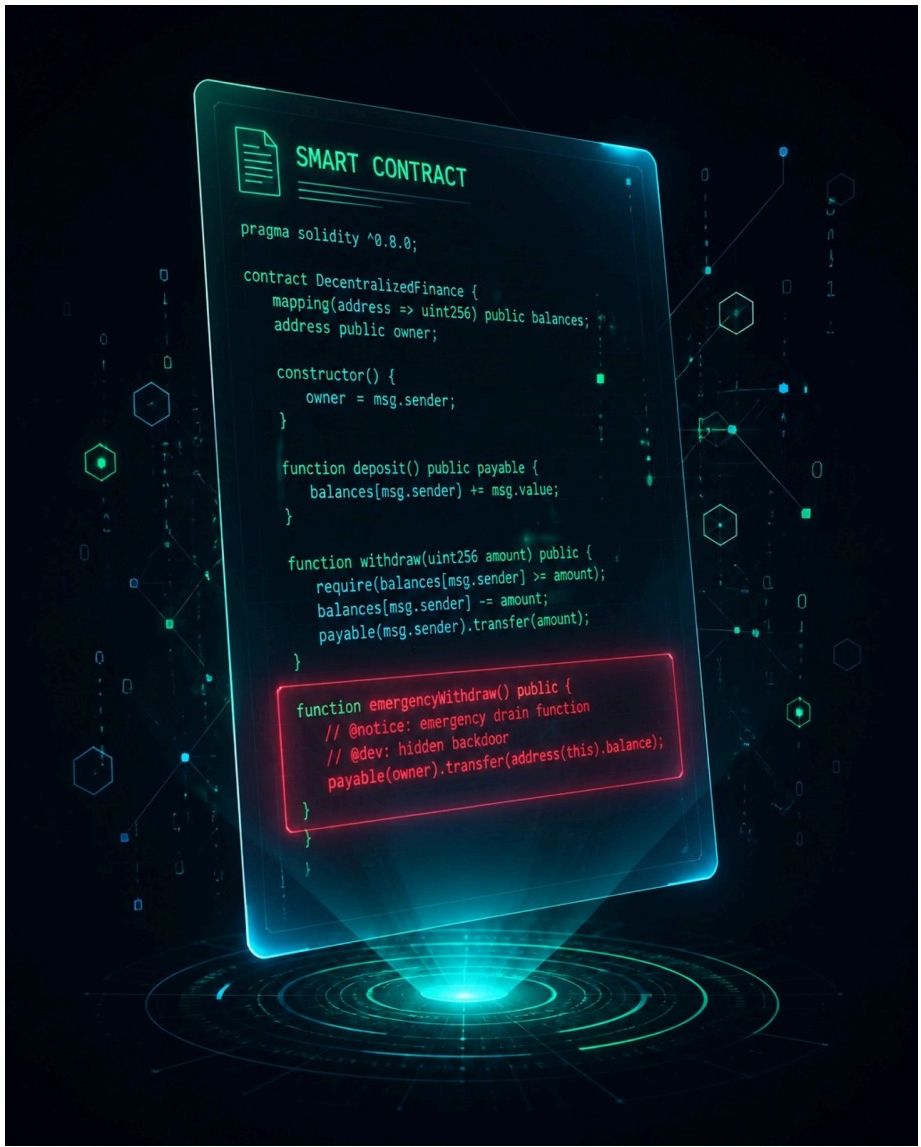
Every rug pull begins with a technical inducement. The project's smart contract acts as the honey pot, designed to attract liquidity under the guise of a legitimate DeFi protocol. A thorough forensic review of the target contract typically looks for several malicious signatures: hidden minting functions allowing the deployer to create infinite tokens and crash the market; blacklist logic preventing victims from selling their assets while the developer retains full exit liquidity; and liquidity lock vulnerabilities — deceptive locks that can be bypassed through administrative functions or backdoor proxy contracts. The goal of this stage is to establish intent. In a legal setting, proving that a project failed is difficult; proving that a project was mathematically programmed to fail provides the objective evidence required for civil or criminal proceedings.
Stage 2: Identifying Malicious Liquidity Drains
When the pull occurs, the digital movement is often swift and automated. On-chain records provide an immutable transcript of the event, but the interpretation requires sophisticated clustering tools. Investigators look for the RemoveLiquidity event in the contract logs. This is the moment the developer withdraws the underlying base assets (ETH, BNB, or USDT) from the pool, leaving investors with worthless protocol tokens. We analyze the transaction hash to answer three questions: which address initiated the drain, was the drain authorized by a single private key or a multi-sig compromise, and did the funds flow to a pre-staged washing address?
Stage 3: Tracing the Origin of the Deployer's Funds
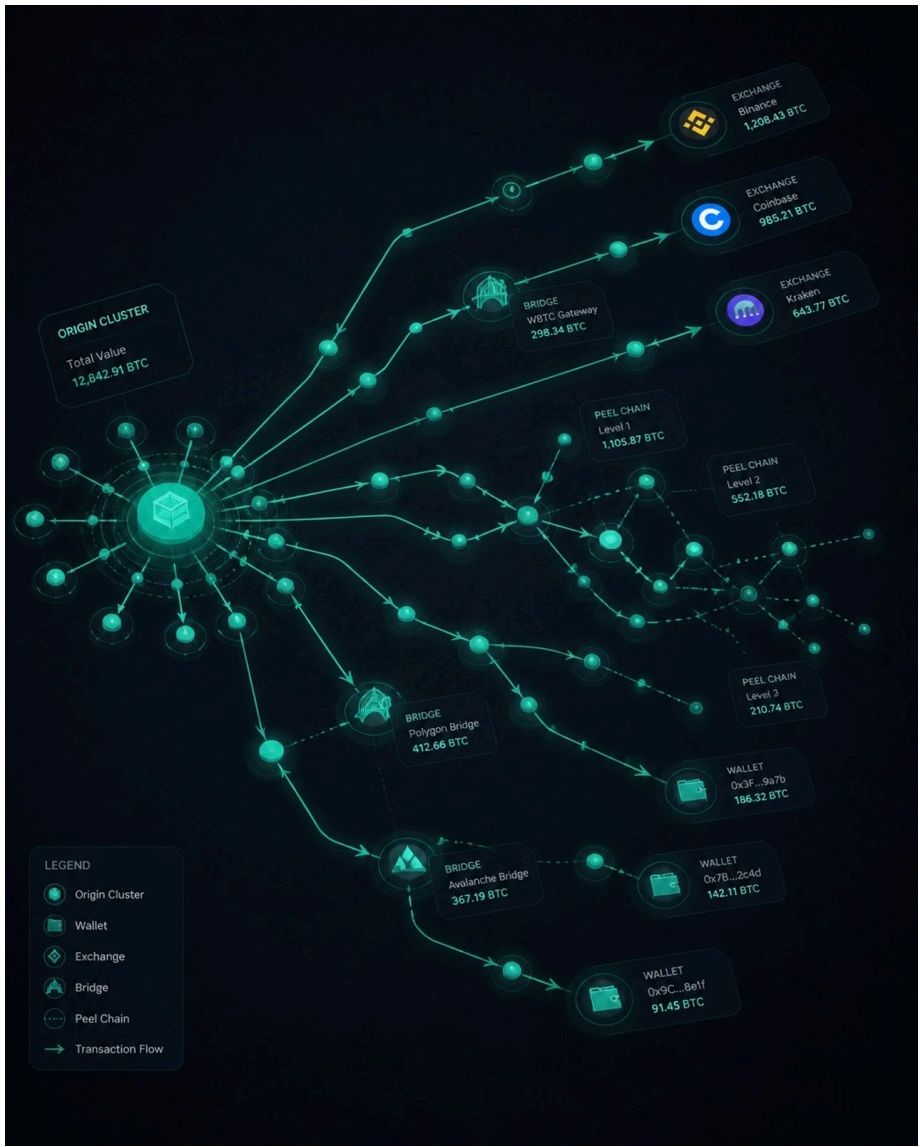
A rug pull doesn't start with the theft; it starts with the funding of the malicious contract. This is where many perpetrators make their most significant error. To deploy a smart contract, the Deployer Wallet requires gas (fiat-linked value). By tracing the deployer's funding source — often through complex cross-chain tracing — investigators can identify the service touchpoints where the perpetrator first interacted with the ecosystem. Often, the gas funds originate from a centralized exchange where KYC protocols are in place. Identifying these preservation targets is the cornerstone of any asset recovery strategy.
Stage 4: Off-Chain Laundering and the Infrastructure Layer
Once the funds are drained, the laundering phase begins. Modern syndicates use a mix of on-chain and off-chain techniques to obscure the trail: peel chains, a series of rapid transactions where small amounts are peeled off into new wallets to confuse automated monitoring; chain hopping, moving assets from Ethereum to high-velocity, low-fee chains like TRON or Solana to break the linear tracing path; and mixing and privacy protocols, utilizing non-custodial mixers or privacy-focused coins to sever the link between the theft and the cash-out. The 2026 TRM data highlights a new vulnerability — service-level heuristics. For instance, TRM's ability to surface TRON smart contract deployer signatures allows investigators to link disparate scam contracts to the same infrastructure, effectively mapping the entire operation of a fraud syndicate rather than just a single event.
The Path to Asset Recovery: Forensic Documentation
A crypto rug pull investigation is only as useful as its output. At StonePath, we specialize in transforming complex blockchain data into court-ready documentation. Strategic recovery relies on the professional reality that while the blockchain is permanent, the entities interacting with it are often subject to legal process. Our forensic reports provide attribution graphs clearly identifying the clusters associated with the fraudsters; exchange identification naming the specific VASPs where funds are currently sitting or were converted to fiat; and evidence preservation ensuring that the digital trail is captured before it can be further obscured or moved to uncooperative jurisdictions.
The difference between a total loss and a successful recovery is not the speed of the pursuit, but the precision of the investigation. By focusing on the infrastructure and the mechanical evidence of the rug pull, we provide the clarity required to navigate the complexities of digital asset litigation.
If a rug pull or DeFi exploit has impacted your client, intent must be documented through both code and infrastructure. Contact StonePath Investigations, LLC for blockchain analysis, crypto tracing, and investigative intelligence reporting designed for litigation and asset recovery.
Schedule a Free Consultation